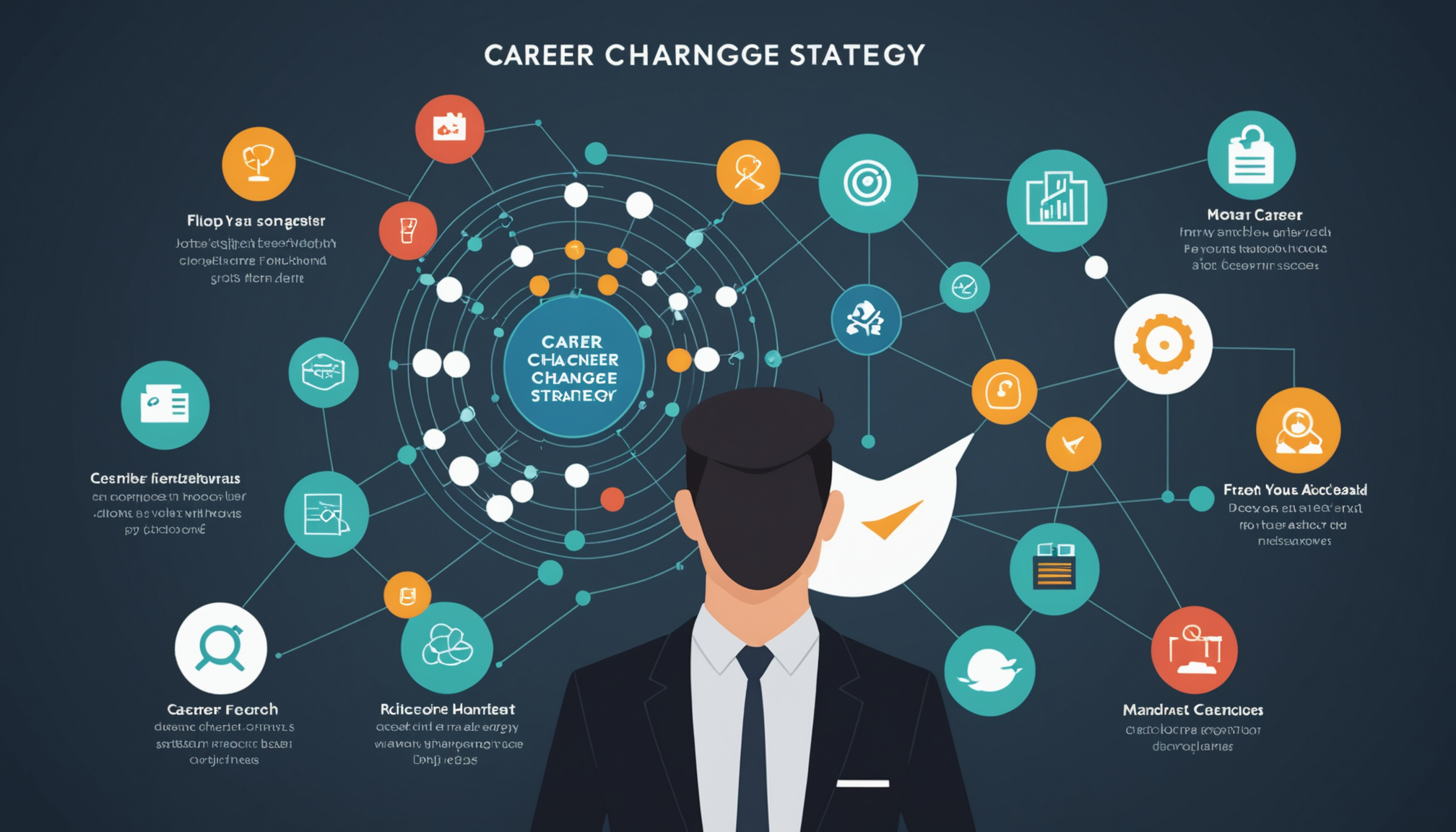
Career Change Strategy 2026: A Data-Driven Roadmap to Your Next Act
In 2026, the workforce is in the midst of the most significant transformation since the industrial revolution. With the rapid integration of AI, the rise of the gig economy, and a post-pandemic emphasis on purpose-driven work, the question is no longer if you should consider a career change, but how to do it strategically. If you're feeling the pull toward something new, you're not alone. Recent surveys indicate that nearly 70% of professionals are actively considering a pivot or upskilling this year. But a successful career change isn't about a leap of faith—it's about a calculated, data-informed strategy. In this post, we'll break down a step-by-step roadmap to navigate your transition with confidence, leveraging the latest trends and tools—including how platforms like PlanScaler.com can help you execute a seamless pivot.
Why 2026 is the Year of the Strategic Pivot
The job market of 2026 is defined by volatility and opportunity. On one hand, automation is displacing roles in routine-heavy sectors like data entry, basic accounting, and even some aspects of legal research. On the other, it's creating unprecedented demand for roles that require emotional intelligence, complex problem-solving, and human-centric creativity—skills that AI cannot replicate. According to the World Economic Forum's Future of Jobs Report, 85 million jobs will be displaced by 2026, but 97 million new roles will emerge that are more adapted to the new division of labor between humans, machines, and algorithms. This shift means your career change strategy must be forward-looking, focusing not on what is, but on what will be. The key is to align your transferable skills with the growth areas of the future—such as green energy, health tech, fintech, and AI ethics.
Step 1: Self-Assessment with a Data Mindset
The first step in any career change is to conduct a rigorous self-assessment. But instead of just asking "What do I love?" (which can be misleading), you need to ask "What am I exceptional at, and where does the market need it?" Start by inventorying your skills—both hard and soft. Use tools like SkillsFuture or LinkedIn's Skill Insights to see the current demand for those skills in your target industry. For example, if you're a project manager in construction, you might not realize that your risk assessment, stakeholder communication, and resource allocation skills are highly sought after in the renewable energy sector. At this stage, it's also vital to identify your 'non-negotiables'—factors like remote work flexibility, salary thresholds, or a sense of purpose. Write these down; they will serve as guardrails for your pivot. To keep this process structured and measurable, consider using a project management approach. This is where platforms like PlanScaler.com come into play, allowing you to create a visual roadmap of your career transition, complete with milestones and deadlines.
Step 2: Bridge the Gap with Micro-Learning and Certifications
Once you've identified your target role, you'll likely find a skills gap. In 2026, the most effective way to bridge that gap is through micro-learning and industry-recognized certifications. Gone are the days when you needed to go back to school for a four-year degree. Today, you can learn data analytics, UX design, digital marketing, or even supply chain management through platforms like Coursera, edX, and Google Career Certificates in a matter of months. The trick is to be strategic: don't just collect certificates—choose ones that are explicitly requested in job postings for your target role. For instance, if you're pivoting into product management, a certification in Agile or Scrum is often a baseline requirement. Allocate a set number of hours each week to learning, and treat it as a serious project. Use a career pivot tracker on PlanScaler.com to log your course completions, project work, and networking contacts. This not only keeps you accountable but also provides a visual record of your progress that you can share with potential employers.
Step 3: Gain Practical Experience Through 'Gig' Work and Side Projects
One of the biggest hurdles in a career change is the classic 'experience paradox'—you can't get a job without experience, and you can't get experience without a job. In 2026, the solution is to build your own experience. The gig economy has exploded, offering a low-risk way to test the waters in a new field. Platforms like Upwork, Fiverr, and Toptal allow you to take on small projects in your desired domain, whether it's copywriting, data visualization, or HR consulting. Not only does this build your portfolio, but it also gives you tangible proof of your capability. Additionally, consider 'job shadowing' or informational interviews—these can often lead to freelance or part-time offers. But remember, every project you take on should be documented. Create a digital portfolio that showcases your results (e.g., 'Increased client's social media engagement by 40% in 3 months'). If you're managing multiple side projects, use a work management tool like PlanScaler.com to keep track of deadlines, deliverables, and client feedback. This not only demonstrates your organizational skills but also shows potential employers that you're serious about your transition.
Step 4: Network with Intent, Not Just for Contacts
In a digital-first world, networking has transformed. It's no longer about collecting business cards at conferences; it's about building genuine, mutually beneficial relationships online. In 2026, the most successful career changers leverage LinkedIn, industry-specific forums, and virtual communities (like Reddit's r/careerchange or specialized Slack channels) to connect with insiders in their target field. But instead of sending generic connection requests, be intentional. Engage with content that matters to you, share your own insights as you learn, and ask thoughtful questions. For example, if you're pivoting from teaching to corporate learning and development, join L&D groups and offer to help moderate a webinar or write a guest post. This proactive approach puts you on the radar of hiring managers and can lead to warm referrals. One powerful tactic is to set up informational interviews with 10 people who hold the job you want. Ask them about their biggest challenges and what skills they actually use daily. Then, map your learning and projects to address those specific pain points. Remember, your network is your net worth—but only if you nurture it with authenticity.
Step 5: Polish Your Personal Brand and Apply Strategically
Before you start firing off applications, take a hard look at your resume, LinkedIn profile, and online presence. In 2026, hiring managers and AI-driven applicant tracking systems (ATS) are looking for specific keywords and formats. Tailor your resume for each application, highlighting transferable skills and quantifying your achievements. For example, instead of saying 'Managed a team,' say 'Led a cross-functional team of 8 to deliver a $2M project ahead of schedule.' Your LinkedIn headline should not be your old job title; instead, it should reflect your target role, e.g., 'Aspiring Data Analyst | Former Retail Operations Manager | Turning Numbers into Insights.' Also, ensure your online footprint is consistent—delete any questionable posts, and share content related to your new field to establish thought leadership. When you're ready to apply, don't spray and pray. Instead, target companies that align with your values and where your skills are a natural fit. Use job alerts and track your applications in a systematic way. If you're juggling multiple prospects, a CRM-like approach can help. PlanScaler.com offers a project timeline feature that can help you manage your job search phases—from research to application to interview prep—ensuring you don't drop any balls.
Step 6: Navigate the Financial and Emotional Rollercoaster
A career change is not just a professional shift; it's a personal one. It can be emotionally taxing and financially risky, especially if you're taking a temporary pay cut. To mitigate this, create a financial runway before you make the leap. Experts recommend having at least 6-12 months of living expenses saved up. If that's not possible, consider a phased approach: start your new career as a side hustle while keeping your current job, then transition once your side income reaches a sustainable level. On the emotional front, anticipate feelings of imposter syndrome and self-doubt. These are normal. Combat them by celebrating small wins—like completing a certification or landing your first freelance client. Create a support system of friends, mentors, or a career coach who can provide perspective during tough times. Use your project management skills to break your transition into manageable milestones, and reward yourself as you hit each one. This is where a tool like PlanScaler.com can be a game-changer, as it allows you to visualize your progress and reflect on how far you've come, which is a powerful motivator.
Conclusion: Your Future Self Will Thank You
The statistics are clear: the workforce of 2026 rewards those who are adaptable, continuously learning, and willing to pivot. A career change is not an admission of failure; it's a strategic move towards a more fulfilling and resilient professional life. By following this data-driven roadmap—assessing your skills, bridging gaps with education, building practical experience, networking intentionally, polishing your brand, and managing the personal side—you set yourself up for success. The journey may be challenging, but the rewards—financial, emotional, and intellectual—are immense. Remember, you don't have to navigate this alone. Tools like PlanScaler.com are designed to help you plan, track, and execute your most ambitious projects, including your career transition. So, take the first step today. Download PlanScaler or create a free account, map out your milestones, and begin your journey to a career that truly fits your future.
Are you ready to make 2026 the year you take control of your professional destiny? Share your career change story or questions in the comments below—we'd love to hear from you!