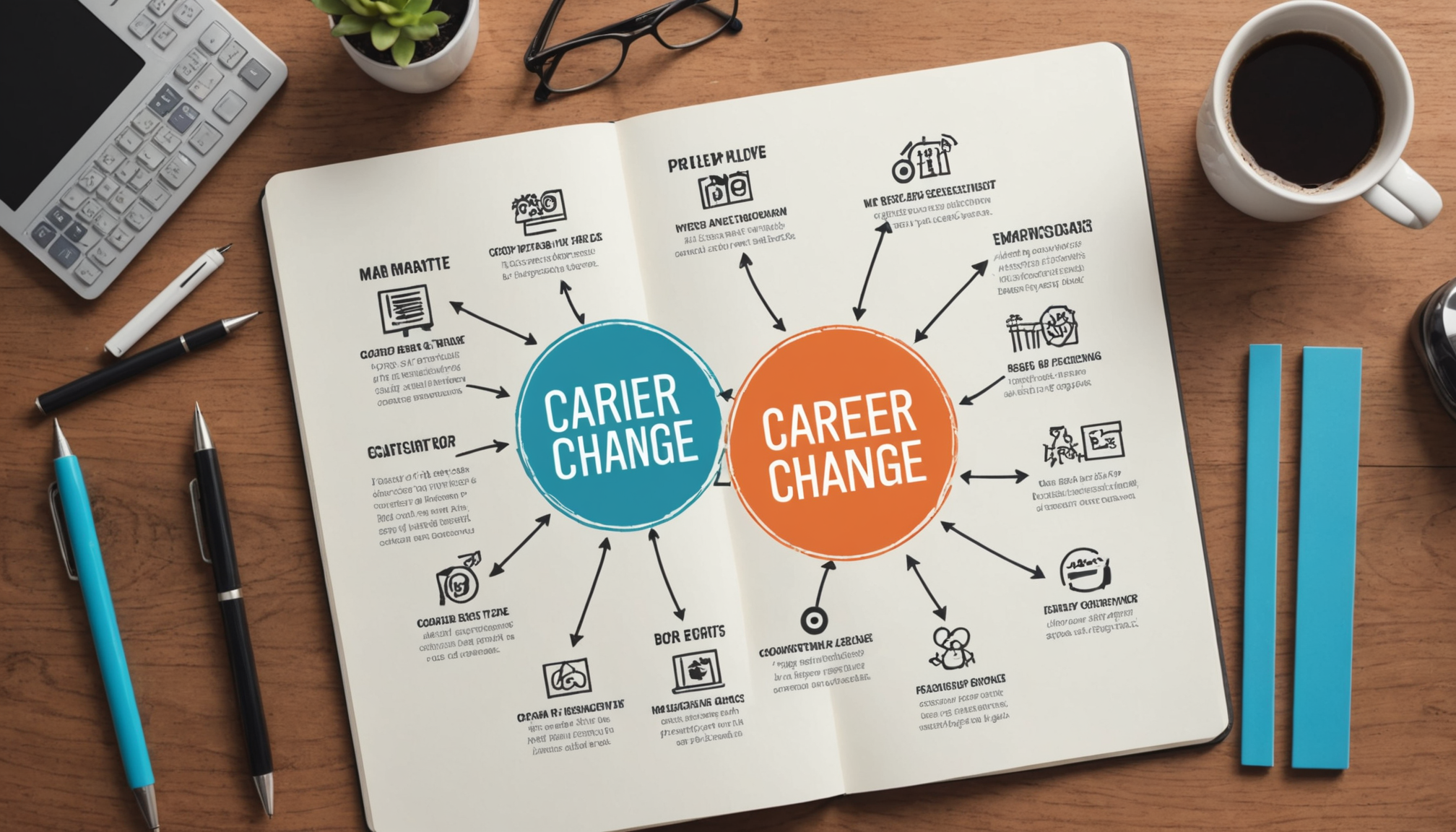
Career Change Strategy 2026: Pivot With Purpose and a Plan
In 2026, the world of work is more dynamic than ever. With the rise of AI, hybrid work norms, and the gig economy, career changes are no longer a last resort—they're a strategic move. Whether you're burned out in your current role, seeking a more meaningful path, or simply adapting to market shifts, a well-thought-out career change strategy is essential. But without a clear plan, a pivot can quickly become a stumble into uncertainty.
In this article, we'll explore a step-by-step framework to help you navigate a successful career change in 2026. We'll also show how tools like PlanScaler.com can support your journey—because a great career shift starts with a solid action plan.
Why Career Changes Are Booming in 2026
Recent trends indicate that nearly 40% of professionals are considering or actively planning a career change this year. The reasons are as varied as the people behind them: automation replacing routine tasks, remote work enabling geographic freedom, and a growing desire for purpose-driven roles. To thrive in this environment, you need more than just a resume update; you need a strategic approach that aligns your skills, interests, and market demand.
Step 1: Self-Assessment—Know Your 'Why'
Before you even begin browsing job boards, take a step back and evaluate your motivations. Are you leaving a job because of a toxic culture, or do you truly want a different function? Use journaling, personality assessments, or career coaching to clarify your values and strengths. This self-awareness will be your compass during the transition.
Step 2: Market Research—Where Are the Opportunities?
Next, dive into labor market data. In 2026, fields like healthcare technology, renewable energy, and data ethics are experiencing explosive growth. But don't just chase trends—look for industries where your transferable skills can add value. Talk to professionals in those fields, attend virtual conferences, and set up informational interviews. This research will help you identify the gap between your current skills and your target role.
Step 3: Skill Building—Bridge the Gap
Once you know the skills required for your target career, create a learning plan. Online courses, micro-credentials, and bootcamps make it easier than ever to upskill. However, be strategic: focus on skills that are in high demand and that you genuinely enjoy. Remember, you don't need to be an expert overnight—just enough to get your foot in the door.
Step 4: Networking—Your Hidden Asset
In a digital-first world, networking is still your most powerful tool. Leverage LinkedIn, join industry-specific communities, and rekindle relationships with former colleagues. A warm introduction can open doors that cold applications never will. And as you network, keep track of every interaction—because following up is just as important as reaching out.
Step 5: Create a Detailed Action Plan (and Use PlanScaler.com to Keep on Track)
This is where many career changers stumble: they have a goal but no roadmap. That's where PlanScaler.com comes in. Its intuitive platform lets you break down your career change into manageable milestones, set deadlines, and track progress. Whether you're planning to earn a certification by Q3 or apply to five companies per week, PlanScaler.com helps you visualize your entire project—from skill-building to job applications—in one place. By using a structured tool, you'll reduce overwhelm and stay accountable to your own goals.
Step 6: Test the Waters with Side Projects
Before you leap, consider doing a 'soft launch' of your new career. Freelance on the side, volunteer, or shadow someone in the field. This not only builds experience but also gives you a taste of daily reality. In 2026, many employers value practical proof of skills over formal titles. A portfolio or case study from a side project can be a powerful differentiator.
Step 7: Manage Your Finances and Risk
A career change often comes with a temporary drop in income. Plan for this by building a financial buffer of at least six months of expenses. If possible, negotiate for a part-time transition or take on consulting work while you upskill. The less financial stress you have, the clearer your mind will be to make the right decisions.
Step 8: Craft Your Story
When you apply for roles, you'll need to explain why you're pivoting. Craft a compelling narrative that connects your past experience to your future aspirations. Highlight transferable skills like project management, communication, or problem-solving. Remember, employers in 2026 value adaptability and a growth mindset as much as technical expertise.
Step 9: Apply, Interview, and Iterate
Tailor each application to the role and company, and use your network to find referrals. If you're not getting interviews, revisit your resume and cover letter—or consider targeting smaller companies where your unique background is an asset. Each rejection is a learning opportunity. Adjust your approach based on feedback, and keep refining your pitch.
Step 10: Embrace the Journey
Finally, remember that a career change is a marathon, not a sprint. Celebrate small wins, such as completing a course or landing an informational interview. Surround yourself with supportive mentors and peers. And keep your long-term vision in mind when the going gets tough.
How PlanScaler.com Enhances Your Career Transition
At PlanScaler.com, we understand that career changes require project management skills—even if you're not a project manager. Our platform is designed for personal and professional transitions, allowing you to set clear objectives, allocate time blocks, and monitor your progress with ease. You can even collaborate with a mentor or accountability partner by sharing your plan. By integrating PlanScaler.com into your strategy, you'll transform a vague idea into a concrete, actionable roadmap.
Conclusion
In 2026, a career change is both a challenge and an opportunity. With the right strategy—self-assessment, market research, skill building, networking, and structured planning—you can successfully pivot to a role that truly fits. Don't let fear or uncertainty hold you back. Use the tools and steps outlined here to take control of your professional destiny. And when you're ready to map out your next move, let PlanScaler.com be your planning partner. Your future self will thank you.
Ready to start your career change strategy? Visit PlanScaler.com today and create your personalized action plan in minutes.