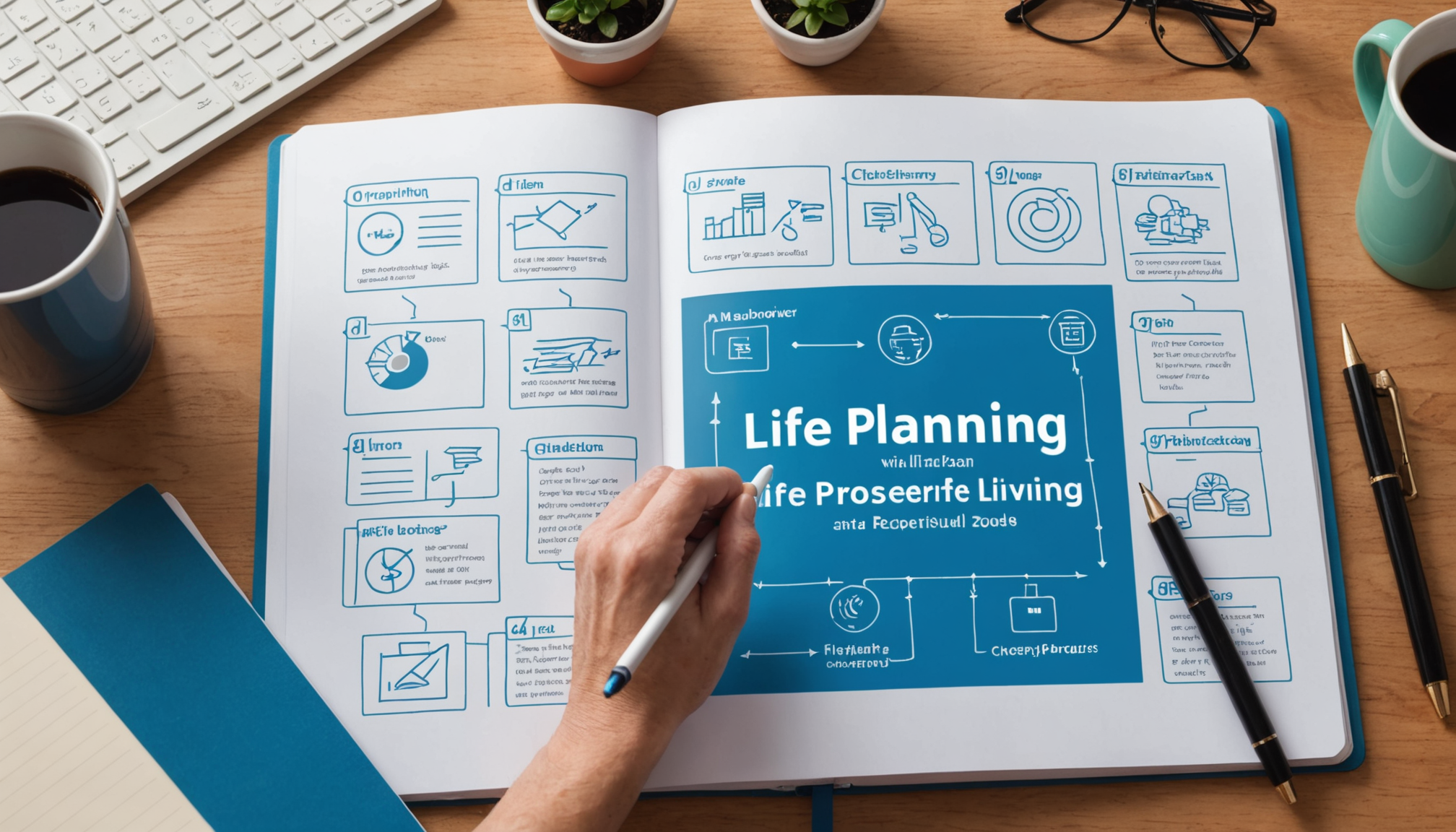
Life Planning in 2026: A Blueprint for Purposeful Living
In the fast-paced world of 2026, life has become more dynamic than ever. With the rise of AI, remote work, and a global economy that never sleeps, many of us feel like we’re juggling too many balls—career, family, health, finances, and personal growth. Yet, amid this chaos, the concept of life planning has emerged as a powerful anchor. It’s not about rigidly controlling every outcome; it’s about creating a flexible roadmap that aligns with your values and aspirations. In this post, we’ll explore how to build a life plan that withstands uncertainty, why 2026 is the perfect year to start, and how tools like PlanScaler.com can turn your vision into actionable steps.
Why Life Planning Matters More Than Ever in 2026
According to a 2026 global well-being survey, over 70% of adults report feeling “overwhelmed” by the pace of change. From economic fluctuations to the rapid adoption of generative AI in workplaces, the only constant is change itself. Without a plan, it’s easy to drift, reacting to events instead of shaping them. Life planning gives you a sense of direction, reduces anxiety, and improves decision-making. It’s like having a personal GPS for your life—you can reroute when obstacles appear, but you always know your destination.
The Core Components of a Life Plan
A comprehensive life plan isn’t just a to-do list; it’s a holistic blueprint that covers several key areas:
- Career & Learning: What skills do you want to acquire? Where do you see yourself in five years?
- Financial Security: Setting savings goals, investment plans, and retirement targets.
- Health & Well-being: Physical fitness, mental health practices, and preventive care.
- Relationships & Community: Nurturing family ties, friendships, and social contributions.
- Personal Growth: Hobbies, travel, spiritual or creative pursuits.
Each area is interconnected. For example, a career change might require financial planning, and poor health can derail all other goals. A balanced life plan addresses these synergies.
Step-by-Step Guide to Creating Your Life Plan
Ready to take charge? Follow these five steps to craft a life plan that actually works:
1. Define Your Vision and Values
Start by asking yourself: What truly matters to me? Is it freedom, security, creativity, or contribution? Write down your top five values. Then, imagine your ideal life 10 years from now—describe a typical day in vivid detail. This vision serves as your north star.
2. Conduct a Personal SWOT Analysis
Assess your Strengths, Weaknesses, Opportunities, and Threats. Be honest. For instance, your strength might be networking, while a weakness could be procrastination. Opportunities might include a growing industry, while threats include job automation. This analysis reveals where to focus your planning efforts.
3. Set SMART Goals for Each Life Area
SMART goals are Specific, Measurable, Achievable, Relevant, and Time-bound. Instead of saying “I want to be healthier,” say “I will exercise 30 minutes, five times a week, and reduce sugar intake by the end of Q2.” Break bigger goals into monthly and weekly milestones.
4. Develop Action Plans with Deadlines
For each goal, list the actions you need to take. Assign deadlines and allocate resources (time, money, support). For example, if your goal is to change careers, actions might include taking an online course, attending networking events, and updating your resume by specific dates.
5. Review and Adjust Regularly
Life planning is not a one-time event. Set aside time each month to review your progress. Celebrate wins, learn from setbacks, and adjust your plan as circumstances change. Flexibility is key—your plan should evolve with you.
Leveraging Technology: The Role of Digital Life Planners
In 2026, technology is your ally. Traditional paper planners are great, but digital tools offer dynamic features like reminders, progress tracking, and analytics. This is where PlanScaler.com makes a difference. PlanScaler.com isn’t just another task manager; it’s a comprehensive life planning platform that integrates all your goals into one dashboard. You can create projects for each life area, link tasks, set milestones, and visualize your progress with charts. Its AI-powered insights suggest adjustments when you’re falling behind, helping you stay on track without feeling overwhelmed.
For example, you can set a financial goal to save $10,000 by December, and PlanScaler will break it down into monthly savings targets, track your spending, and even sync with your bank account (with your permission). Similarly, for a health goal, you can log workouts and meals, and the platform will show trends over time. Having all this data in one place makes life planning more intuitive and effective.
Overcoming Common Life Planning Pitfalls
Even with the best intentions, we often stumble. Here are common pitfalls and how to avoid them:
- Overplanning: Don’t try to predict every detail. Focus on the next 6-12 months, not 30 years.
- Lack of Accountability: Share your goals with a friend or use a tool that sends periodic check-ins.
- Neglecting Self-Care: Your plan should include rest and fun. All work and no play leads to burnout.
- Ignoring External Changes: The pandemic, economic shifts, or family needs may force a pivot. Embrace adaptability.
Real-Life Success Story: How PlanScaler Changed My Life
Take Sarah, a 34-year-old project manager. In early 2026, she felt stuck. She had a good job but no clear direction. She decided to use PlanScaler.com to map out her life plan. Starting with a vision board feature, she defined her goal: become a certified leadership coach by 2028. She broke it down into courses, mentorship, and practice hours. PlanScaler’s reminders kept her accountable, and the progress dashboard motivated her. Within six months, she had completed two certifications and was already coaching junior colleagues. “The structure gave me confidence,” she says. “I finally feel in control of my future.”
The Future of Life Planning: Trends to Watch
As we move through 2026, several trends are reshaping life planning:
- AI Coaches: Virtual assistants that provide personalized advice based on your data.
- Focus on Mental Health: Plans now include stress reduction and mindfulness practices.
- Longevity Planning: With advances in healthcare, people are planning for 100-year lives, requiring longer financial and career strategies.
- Remote Work Integration: Life plans are becoming location-independent, allowing for digital nomad lifestyles.
Staying ahead of these trends can give you a competitive edge in both personal and professional realms.
Take Action Today
Your future self will thank you for the effort you put in today. Start small: pick one life area that needs attention, define a SMART goal, and take the first step. Use the tools available to you—like PlanScaler.com—to simplify the process. Remember, life planning isn’t about perfection; it’s about progress. In a world that changes daily, having a plan is your best defense against uncertainty and your best offense for creating a life you love.
So, are you ready to design your future? Visit PlanScaler.com today and begin your journey toward purposeful living. The time is now—2026 is your year to thrive, not just survive.