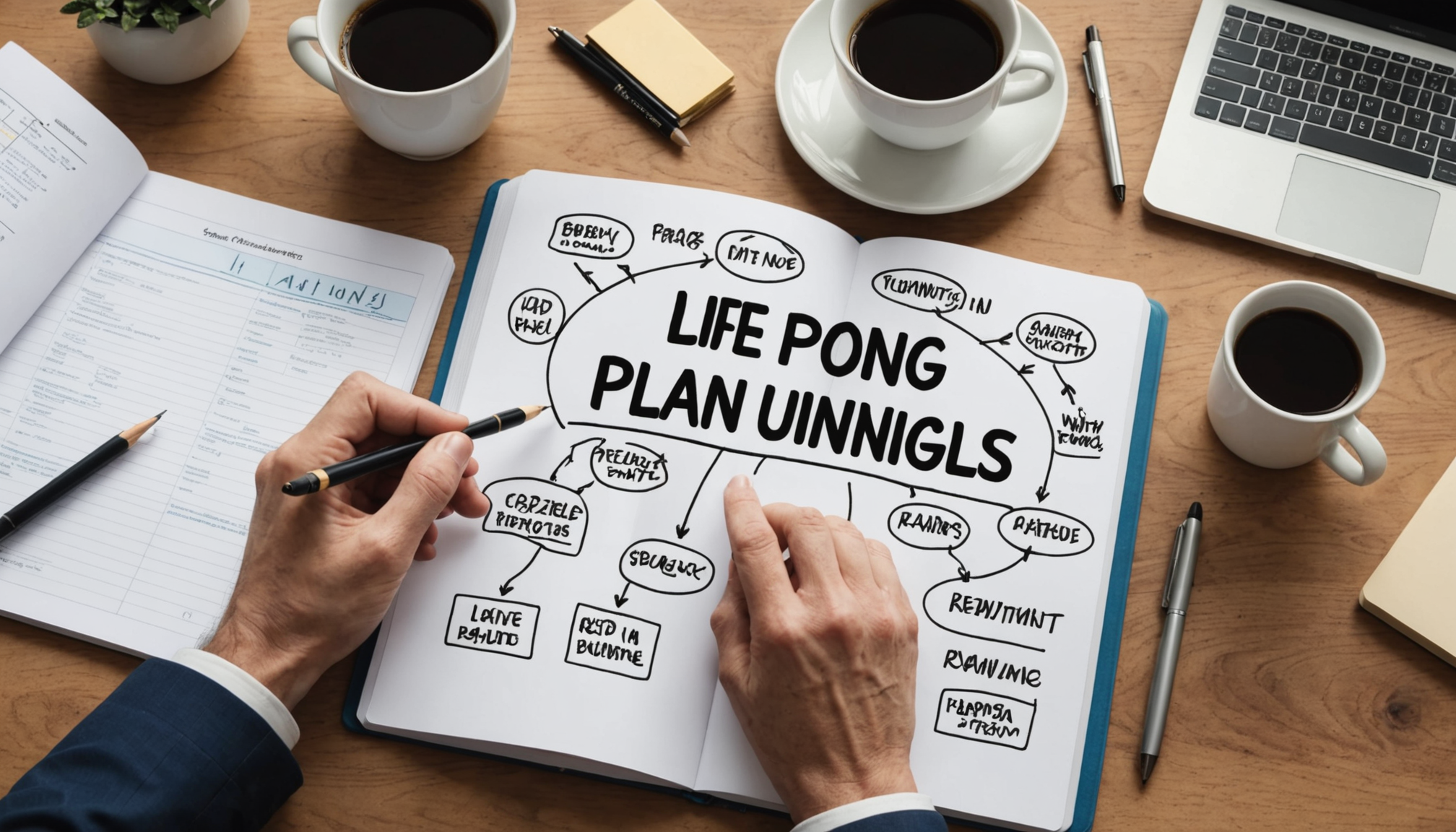
Why Life Planning Is the Ultimate 2026 Resolution
As we dive into 2026, the air is thick with resolutions—fitness challenges, savings goals, and career leaps. But here's the hard truth: most resolutions fizzle out by February. Why? Because they lack the structural backbone of a life plan. Life planning isn't about rigidly mapping every day; it's about creating a dynamic blueprint that aligns your daily actions with your deepest values. In a year where the global economy is shifting toward AI-driven work and climate-conscious living, having a clear life plan isn't just nice—it's essential for navigating uncertainty.
Recent headlines echo this need. The 2026 World Economic Forum highlighted that 85% of jobs will require reskilling by 2030, and the rise of the 'portfolio career' means many of us will juggle multiple income streams. Meanwhile, the global push for net-zero targets is reshaping how we live, travel, and invest. In such a volatile landscape, a life plan acts as your personal GPS—helping you pivot without losing sight of your destination.
What Is Life Planning (and What It Isn't)
Life planning is often confused with goal-setting or to-do lists. But it's much broader: it’s a continuous process of designing your life across key domains—career, finances, health, relationships, and personal growth. It involves assessing where you are, envisioning where you want to be, and mapping the steps to get there, all while remaining flexible. Unlike a rigid five-year plan, a modern life plan is a living document that you revisit quarterly, adapting to life's twists and turns.
Think of it as the difference between having a wishlist and having a roadmap. A wishlist says, “I want to be financially free.” A roadmap says, “Here’s how I’ll reduce debt, increase savings to 20% of income, and invest in diversified assets by Q3.” The roadmap is your life plan in action.
The Pillars of a Powerful Life Plan
To build a life plan that actually works, you need to address several interconnected pillars:
- Purpose & Vision: Define your core values and long-term aspirations. What impact do you want to make? This is your ‘why’.
- Career & Learning: Set skill-development goals that match future job trends. In 2026, that might mean learning AI prompt engineering or sustainable business practices.
- Financial Security: Create a budget, emergency fund, and investment strategy that supports your life goals, not just retirement.
- Health & Wellbeing: Incorporate physical, mental, and emotional health rituals—because a plan is useless if you’re burnt out.
- Relationships & Community: Schedule quality time with loved ones and build a network that supports your growth.
Each pillar influences the others. For example, a career change might affect your finances and time for family. A good life plan accounts for these ripple effects.
How to Start Your Life Plan in 2026
Ready to create your own? Follow these steps:
- Conduct a Life Audit: Rate your satisfaction (1-10) in each pillar. Identify gaps and wins.
- Set SMART Goals: Make each goal Specific, Measurable, Achievable, Relevant, and Time-bound. Instead of “get healthy,” aim for “run a 5K by June and sleep 7 hours nightly.”
- Break Goals into Habits: Research shows that habits, not goals, drive long-term change. Identify 2-3 tiny habits per pillar—like daily meditation, weekly savings transfers, or monthly networking coffee.
- Create a Quarterly Review System: Every 90 days, reassess your progress, celebrate wins, and adjust your plan. Life changes; your plan should too.
- Leverage Tools: Use a dedicated life planning platform to keep everything organized. This is where PlanScaler.com comes in—it’s designed to help you build, track, and evolve your life plan with ease.
Why PlanScaler.com Is Your Life Planning Companion
Let’s be honest: maintaining a life plan on scattered spreadsheets and sticky notes is a recipe for chaos. You need a centralized hub that gives you clarity and momentum. That’s why I recommend PlanScaler.com. This platform lets you define goals across all life pillars, break them into actionable tasks, and track your progress with beautiful dashboards. With PlanScaler.com, you can set reminders for habit streaks, visualize your growth over time, and even collaborate with an accountability partner.
In a world full of distractions, PlanScaler.com keeps you focused on what matters most. Whether you’re planning a career pivot, saving for a home, or striving for better work-life balance, this tool scales with you. It’s like having a personal coach in your pocket—minus the hefty fee.
Real-Life Success: From Overwhelm to Clarity
Take Maria, a 34-year-old marketing manager who felt stuck in 2025. She had vague goals—travel more, switch careers, save for a house—but no clue how to prioritize. Using PlanScaler.com, she conducted a life audit and realized her financial pillar was dragging down everything else. She set a goal to increase her emergency fund to $10,000 in 9 months, automated transfers, and used the platform’s habit tracker to cut impulse spending. By early 2026, she hit her target and had the confidence to apply for a remote role in tech. Now she’s on track to buy a condo by 2027, all because she turned a wishlist into a plan.
Making Life Planning a Habit
The key to life planning is consistency. Don’t treat it as a one-time New Year’s event. Instead, schedule a monthly “life check-in”—even 30 minutes can make a difference. Review your goals, celebrate small wins, and ask yourself: “Am I spending my time on what truly matters?” If the answer is no, adjust. Life planning is about progress, not perfection.
Moreover, pair your life plan with current trends. For instance, in 2026, many are incorporating “digital detox” habits to counter screen fatigue, or “green goals” like reducing carbon footprints. Your life plan can reflect these values, making it more relevant and motivating.
Overcoming Common Pitfalls
Even with a plan, obstacles arise. Here’s how to handle them:
- Lack of Motivation: Revisit your ‘why’ and connect daily tasks to your larger purpose.
- Too Ambitious: Trim your goal list—it’s better to achieve 3 goals fully than 10 partially.
- Analysis Paralysis: Start with one pillar, like finances, and expand later.
- Fear of Change: Remember that a life plan is a safety net, not a cage. You can always update it.
Conclusion
In 2026, the world moves fast, but you don’t have to feel swept away. Life planning gives you the anchor to pursue your dreams with intention and resilience. By defining your purpose, setting aligned goals, and using the right tools, you can turn this year into your most fulfilling one yet. Don’t let another year slip by without a roadmap. Start your life plan today—and let PlanScaler.com be your partner in the journey. Your future self will thank you.
Ready to take control? Visit PlanScaler.com and create your first life plan in minutes. It’s free to start!